
Making Fun
Tools for Possibilities: issue no. 203
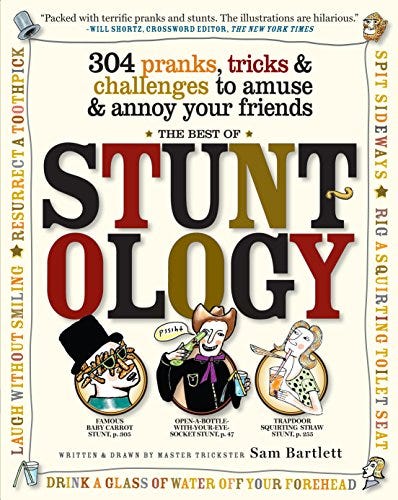
Practical jokes made practical
Pranks you can use. Stupid tricks, dumb gags, and funny routines. Liberate your inner 12-year-old with this handdrawn manual. — KK
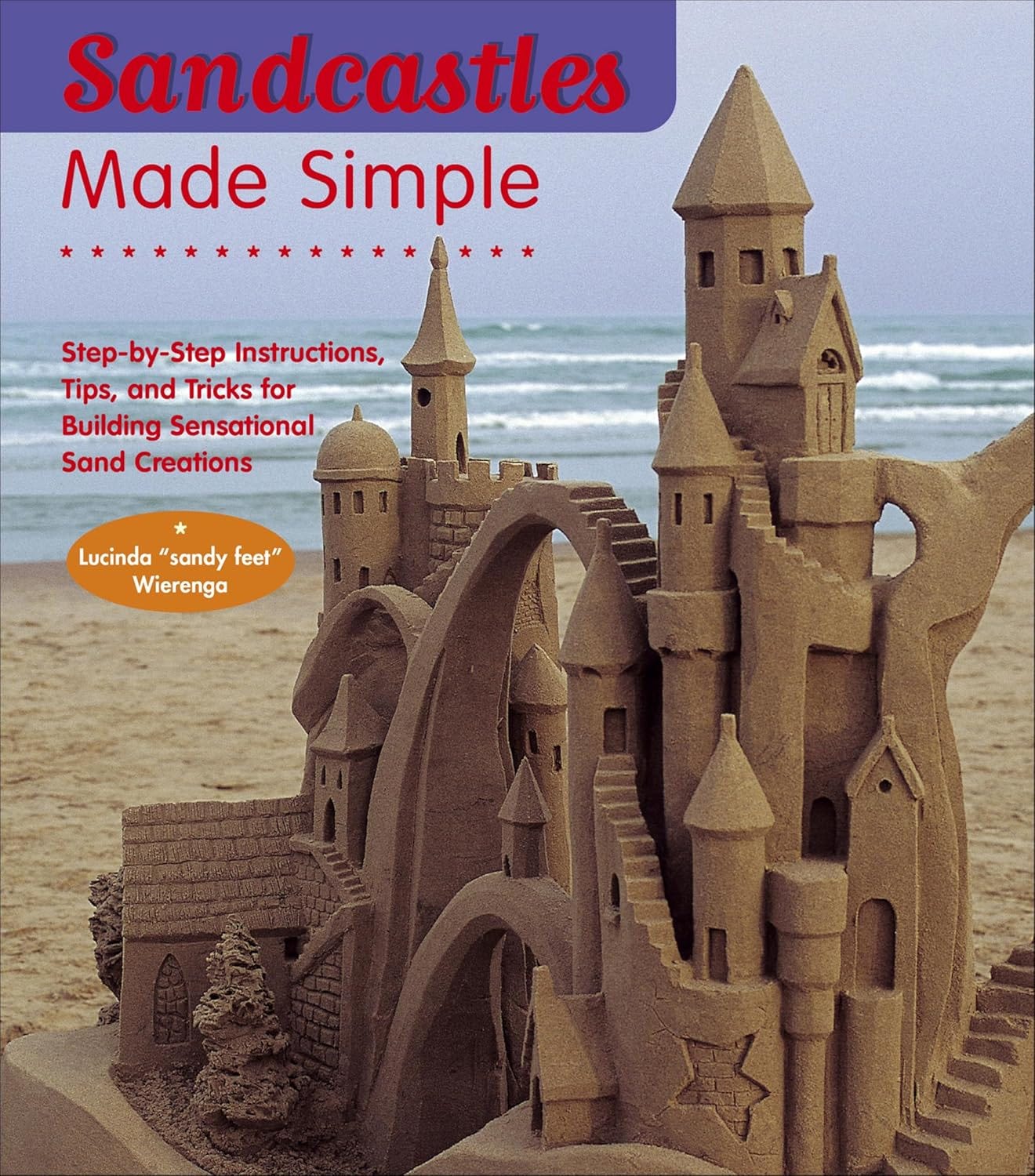
Low-tech sand castle construction manual
In case you haven’t noticed, sand castles have become very elaborate and sand sculpture a new art form. Building them is a complicated business. We’ve used the simple methods here to build sandcastles we can be proud of without too much equipment. In our experience the most important part is finding a beach with suitable building sand. For the rest, follow this book and/or DVD. — KK
Most beach trips I would sit and read while my wife played around in the sand building castles. This year, I found a great resource that had me building sand castles and sculptures that stopped every passerby on the beach.
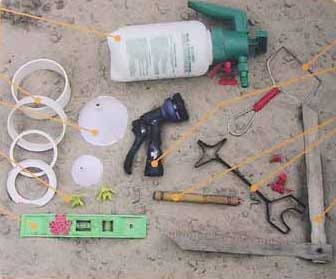
The Sons of the Beach Sandcastles Made Simple book showed me how to build high-reaching towers and arches by hand, without any buckets or forms. Their tool set was perfect for giving professional looking details. Their optional DVD makes it even easier to learn their technique.
The first week I had their book, I built a 48″ tall light house, several castles (one with a monorail train), and a snowman (they teach you how to make snowballs out of sand). Many people asked me how many years I’d been doing sand sculpture!
The book and DVD teach “hand stacking.” This is a process of scooping a big handfuls of completely saturated wet sand and plopping them on top of each other. By jiggling the sand just as the excess water is running out, it fuses the new plop with the previous ones creating a stable tower.
These folks also discuss and sell large forms (5, 3, 2 foot diameter) which can be used for large competition sculpture, but that was more than I wanted to carry down to the beach. — Chris Evans
Circus resources
Circus is a physical art-form that can engender a sense of control just as any type of athletics or dance training can. However, unlike most physical disciplines, circus has a place for almost any physical type. It’s one of the few places where I’ve seen short powerfully built women valued for their bodies. The circus is associated with the carnavelsque, so it’s a great way to have a party or to disrupt social patterns. And circus is also a lot of fun.
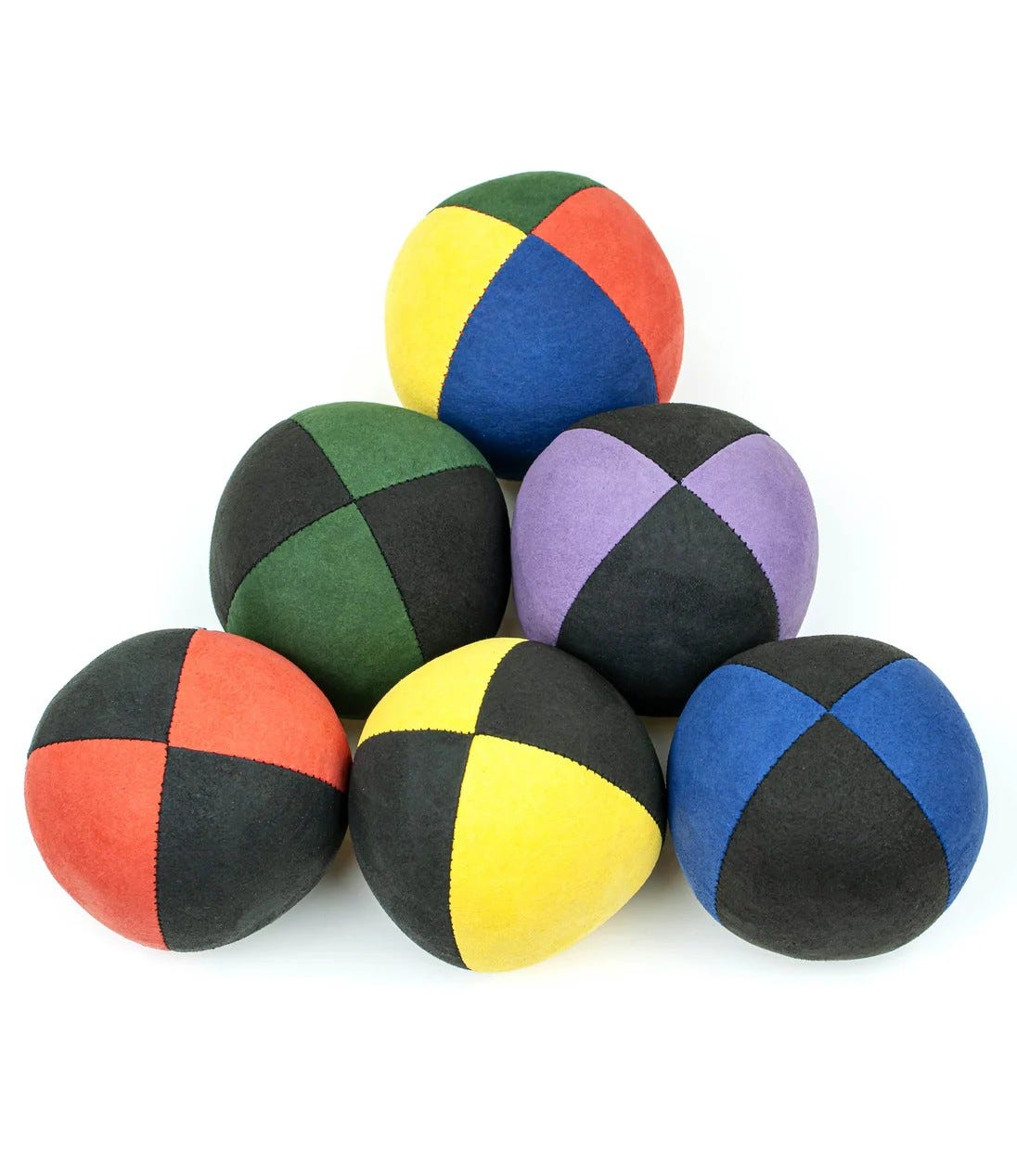
Circus is still mainly an oral tradition. Moreover, for certain of its disciplines it is confined to very particular places that can rig the necessary equipment and safety devices. It would be, for example, impossible and probably immoral to write a book describing how to learn the flying trapeze. There are plenty of books and resources for learning the object manipulation arts, eg. juggling, stick spinning, plate spinning, diabolo, etc. A good place to start with these would be Juggling Information Services. However, most serious folks quickly move back to oral traditions.
I think the best value however, if you have the time, are youth circus programs. Many big cities have non-profit programs that teach circus to youth. Many of these programs will offer volunteers instruction in the circus arts. The American Youth Circus Organization has a directory of youth circus programs.
I personally have not been too interested in the professional schools. They are more like the graduate programs.
Of course, working for a circus is not a bad way to learn either, and the way that most people, historically, have learned the trade. — Forest Gregg, co-founder of Runaway Circus
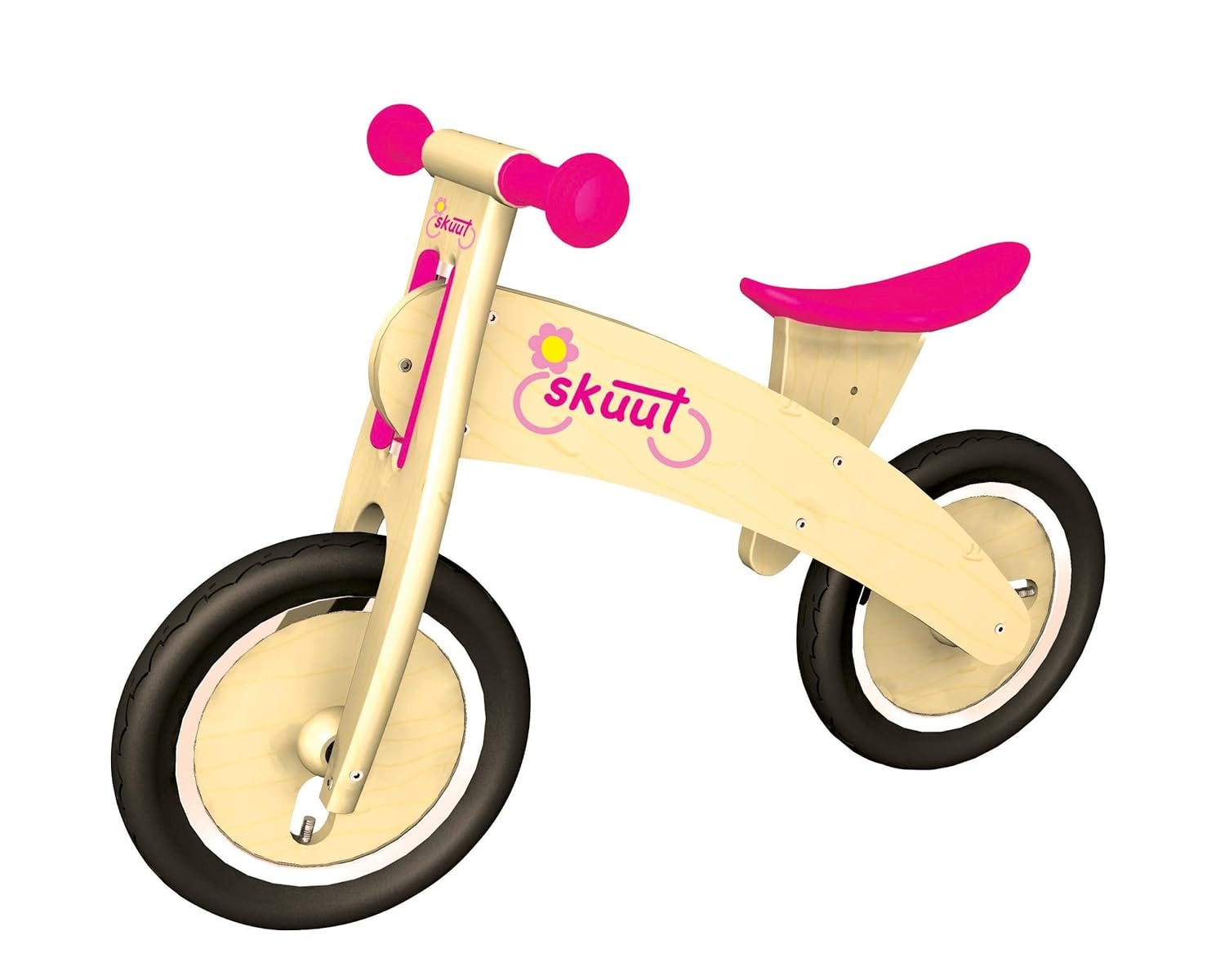
Teach new riders how to balance
Balance bikes teach balance before pedaling. Learning to pedal is easy if you know how to balance. Learning balance is fairly easy, too. But learning them concurrently is hard. With a balance bike instead of a trike or a standard bike with training wheels, it’s much easier for a child to learn the balance, steering dynamics and handling required to ride a bike. My son, at 2 1/2, can go at least a mile on his Skuut bike, and is learning all the skills he’ll need, so that when I get him a normal bicycle, with pedals, he won’t need training wheels.
The design of a balance bike is brilliant—it’s actually similar to the design of the first bicycles (velocipedes) that had no drivetrains. The particular brand of a running or balance bike for kids is not of much concern. Cool Tools previously featured the Likeabike, which was imported from Europe and lovingly crafted, but notably expensive. You can find cheap $50 metal balance bikes these days, but we use the current wooden standard Skuut which is good enough quality for $85. — Elon Schoenholz
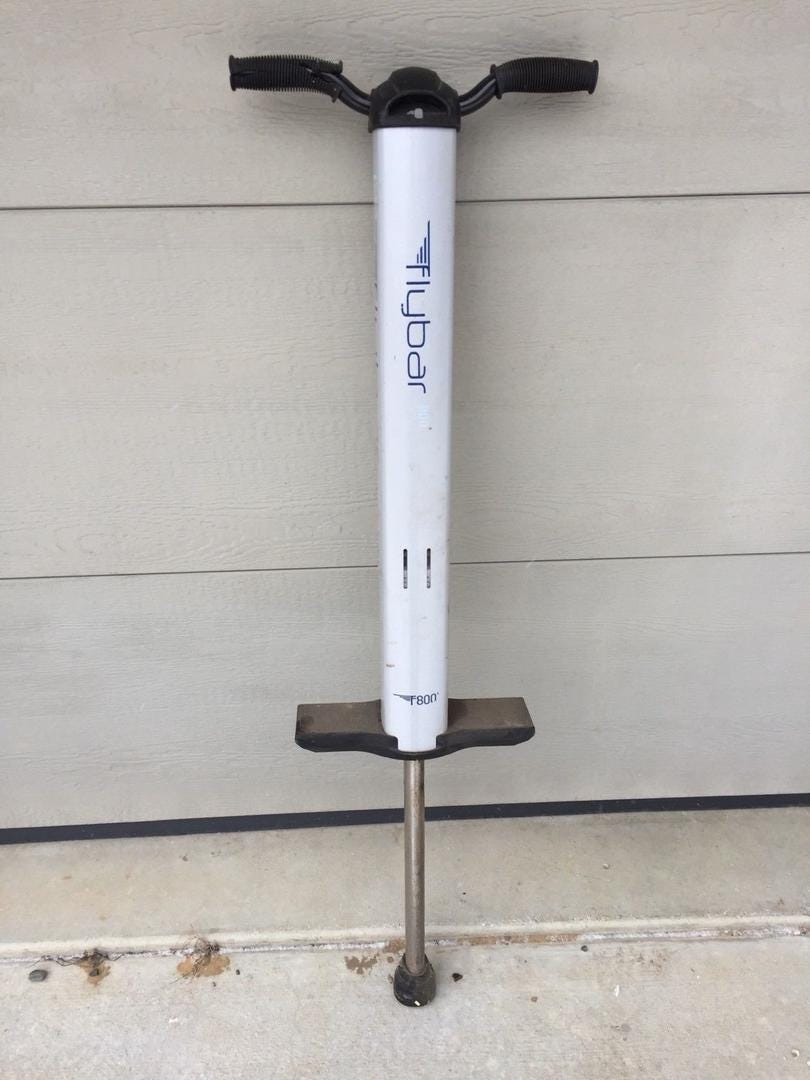
Extreme Pogo Stick
When the guy at the bike store first told us about the Flybar, he said “Man, that thing bounces twenty feet!” It doesn’t, but I understand why he exaggerated. The Flybar has an amazing Boing Factor. Instead of a standard spring, it uses rubber-like bands which make the bounce feel more like a trampoline and can give you a real workout. It’s bulky, but sturdy. You can adjust to handle adult or kid weight. My 13-year-old son saved up for months to buy one and he’s never been sorry, because when he takes it to the local park, the little kids stare at him open-mouthed and the big kids try to keep their mouths closed and hide the fact they’re staring. It’s expensive, but until everyone has one, you will be the most awesome novelty on your block. Yeah, it’s dangerous. You should wear a helmet. Pads would be a good idea. But skateboards, mountain bikes, trampolines, and see-saws can be dangerous too. And fun! — Jay Allison