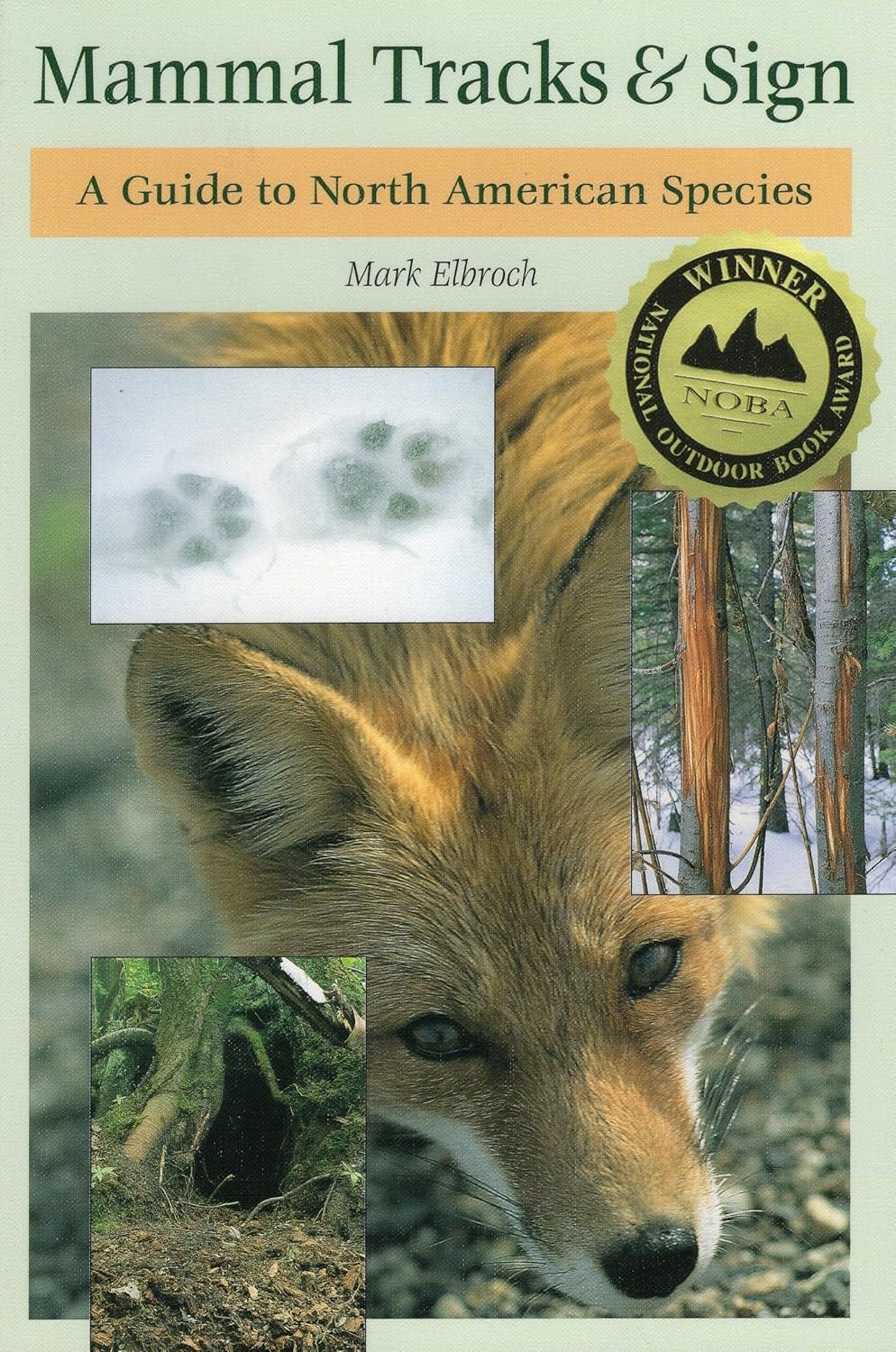
How to see the unseen
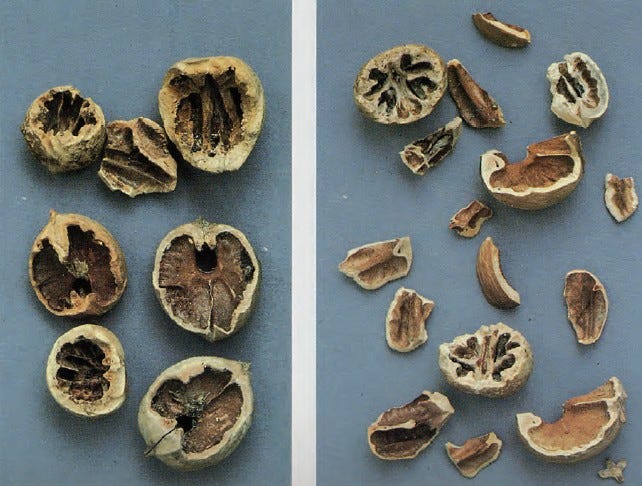
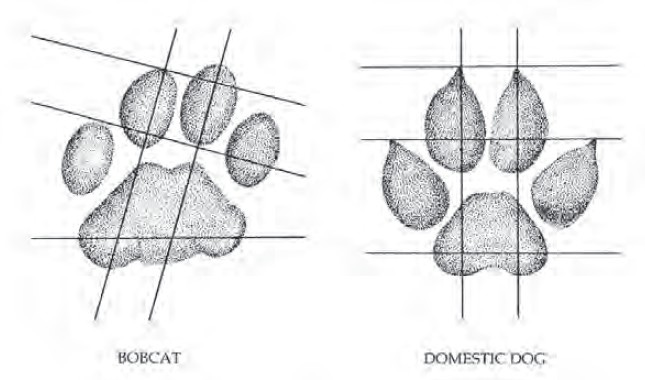
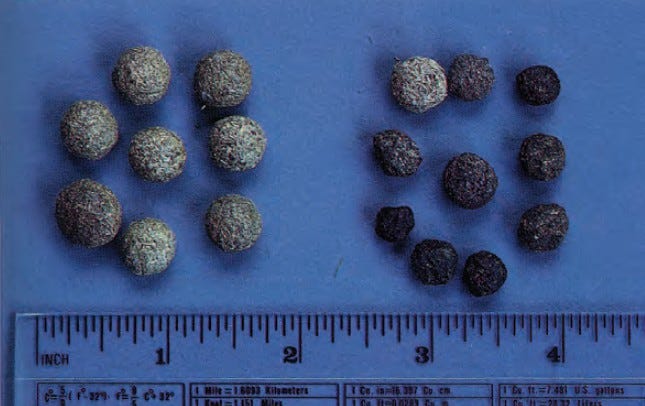
Mark Elbroch is a young tracker quickly gaining a reputation for his obsessive devotion to craft and comprehensive style of seeing. He once spent a whole New England winter tracking a single red fox — which wound up tracking him! More than stories, Elbroch offers an astounding encyclopedia of observed animal signs and visualizations that are the most helpful I’ve ever seen. Pages and pages of life size paw prints, a whole long chapter of diverse specialized burrows, dens, nests, and cavities — many in life size — and all photographed. Elbroch is not only an ace naturalist, but a fabulous communicator. He must sleep with his camera because he captures every nuanced disturbance on film. There’s distinguishing scat, urine and other secretions, by species. And most wonderful of all, several hundred pages on feeding patterns left by each mammal on vegetation and prey. This immense guide (almost 800 pages of full color illustrations and images) is by far the most ecological of any tracking guide ever written. It shows you how to see animals through their effects upon the other living organisms around them. The amount of knowledge, respect, and insight packed into this brick of a book is stunning. I’m sure it will become a classic.
Equally astounding is a companion book on bird signs. Imagine going birdwatching without looking at birds. All you inspect are the ripples each bird makes as it disturbs the environment in its daily routine. At first the ripples are faint, but soon with practice they swell in size and plenty until they seem a wave that all but shouts out the bird’s identification. That’s the Elbroch way of seeing.
These fat books, lovingly published by Stackpole Books, will change the way you walk in the woods. — KK
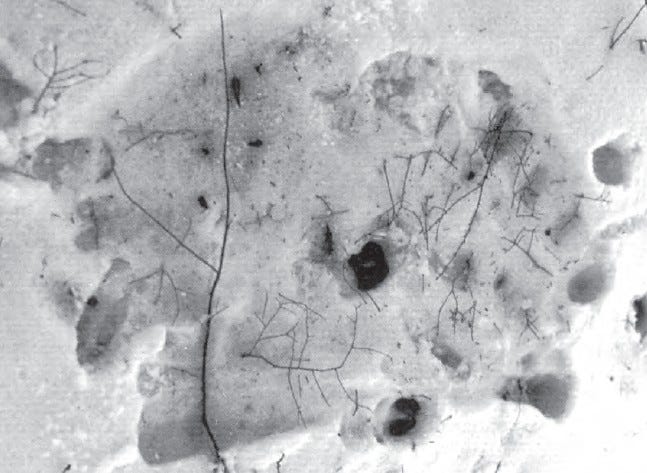
Finding a hair. This is an exercise I have practiced over the years to help myself look deeper. Whenever I sit down in the woods, I won’t allow myself to stand until I’ve found a hair within approximately an 8-inch-square patch of earth. When I’m relaxed, it’s a short exercise, but when I’m tense, it may last 30 minutes. When I’m struggling, it’s usually just after I’ve proclaimed that I’ve finally found the first piece of earth devoid of animal hair that I find the first one. The second one is easy.
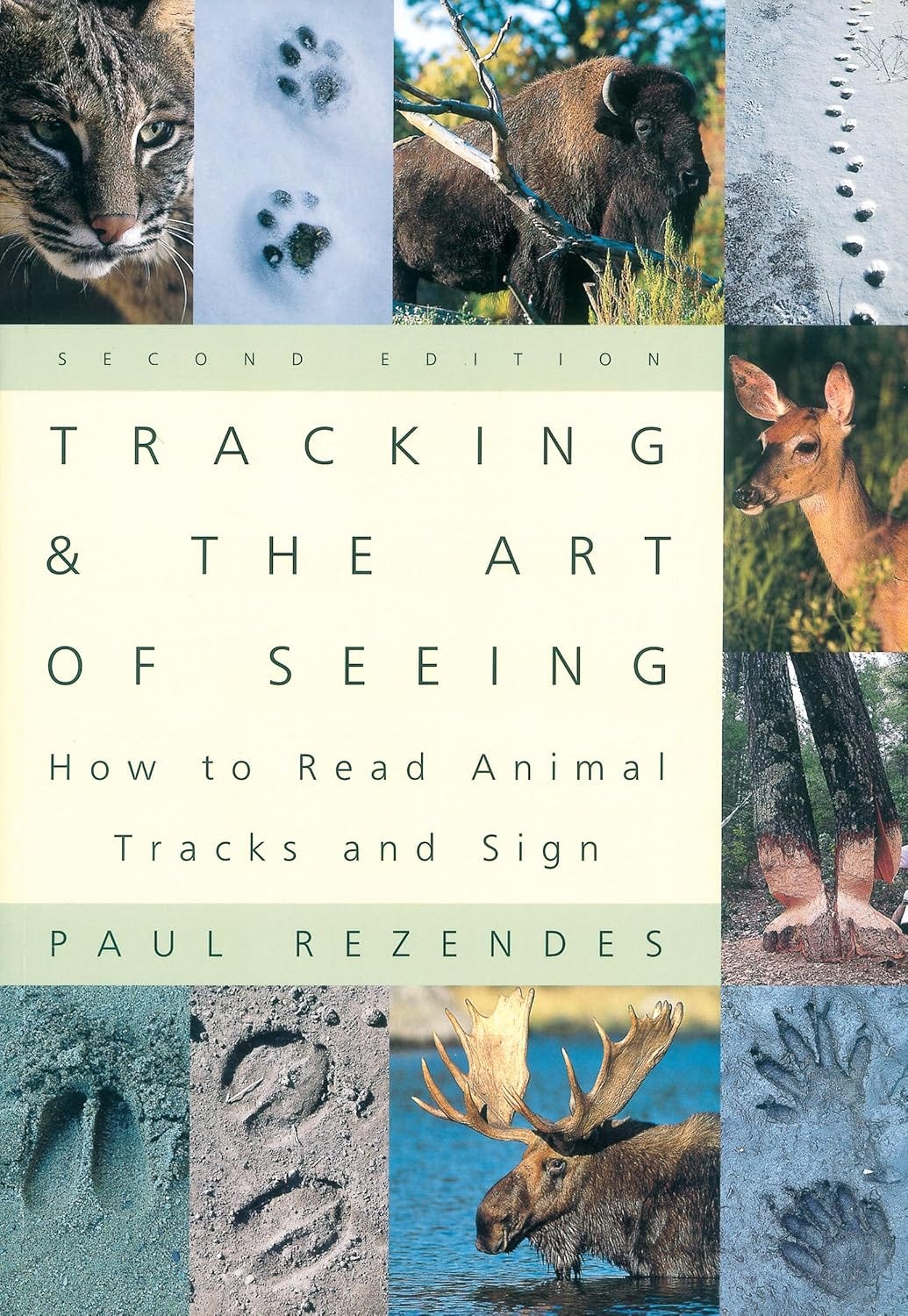
How to see
I’ve had meager success in tracking animals using other guide books. This one employs color photography which matches what I see on the trail much closer that black and white sketches. Also it emphasizes animal scat and browsing patterns. It includes primarily North American mammals. — KK
Since white-tailed deer have only bottom incisors, they leave rough, torn, or squared-off cuts when browsing.